

As more people use Google AI Mode to search for information, compare options, and decide which brands to trust, PPC ads services are becoming more important in digital advertising. Many businesses are already running Google Ads, but the real concern is whether their current campaigns can still perform well as search becomes more conversational and powered by AI.
In the past, advertisers mostly focused on keywords, bids, ad copy, and landing pages. Today, Google’s latest AI Mode update shows that paid search is moving beyond simple keyword targeting. It is now becoming more focused on user intent, search context, and showing ads that match what people truly need.
Google has introduced new ad formats called Conversational Discovery ads and Highlighted Answers. These formats are designed to show sponsored results inside AI-generated answers and recommendation experiences. They are powered by Gemini and will still be clearly marked as sponsored.
This matters because customers are changing the way they search online. They now ask longer questions, compare service providers, and look for helpful suggestions before making a decision. To stay visible in this new search environment, businesses need a paid advertising strategy that understands how modern customers search, think, and choose.
What Google AI Mode Ads Mean for Advertisers
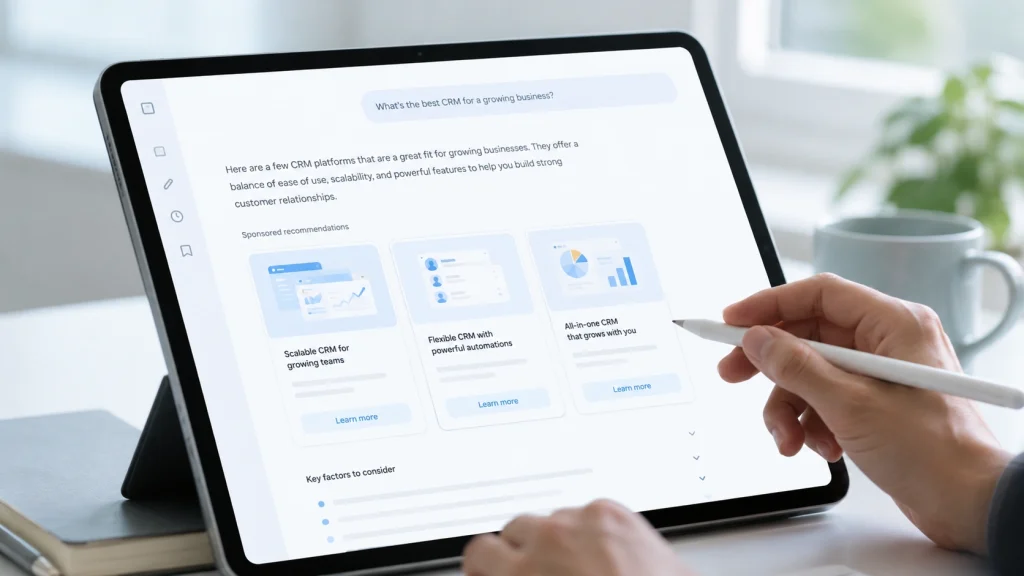
Google AI Mode ads show that advertising is moving closer to the customer’s decision-making process. Instead of showing ads only beside traditional search results, Google may place sponsored content inside AI responses where users are already exploring choices.
This creates both opportunity and pressure. Your business can appear while a user is still learning and deciding. At the same time, your ad must be relevant enough to fit the user’s full question, not just a short keyword.
Businesses now need more than bids. They need better messaging, clearer offers, stronger landing pages, and reliable tracking.
Why Paid Search Is Entering a New Phase
Paid search is no longer just about choosing keywords and waiting for traffic. AI search can understand longer prompts, user intent, and context. This changes how campaigns should be planned.
Here are the biggest shifts advertisers should understand:
- Search queries are becoming more conversational. People may ask full questions instead of typing short phrases.
- Creative quality matters more. Strong ads should explain the value, benefit, and reason to choose your business.
- Landing pages must support the ad. If your ad promises a solution, your landing page should explain that solution immediately.
- Data signals are becoming more important. Google needs quality conversion signals to understand which users are valuable to your business.
- Strategy needs regular updates. AI search is still developing, so campaigns should be monitored, tested, and improved often.
How Does Google Ads Work in an AI Search Environment?
Many business owners want to know what changes when AI becomes part of paid search. In simple terms, Google Ads still uses relevance, targeting, bids, campaign quality, and user intent to decide when ads may appear. With AI Mode, Google may also look at the broader meaning behind a user’s question.
For example, a user might ask for a reliable marketing partner that can help improve leads, manage ads, and support growth. That search gives Google more context than a short phrase. Your ad, landing page, and business information must work together to show that your offer is useful.
Your ad should match the user’s problem. Your landing page should answer the promise. Your call to action should be simple. Your tracking should show which actions lead to real business results.
Key Changes Businesses Should Watch
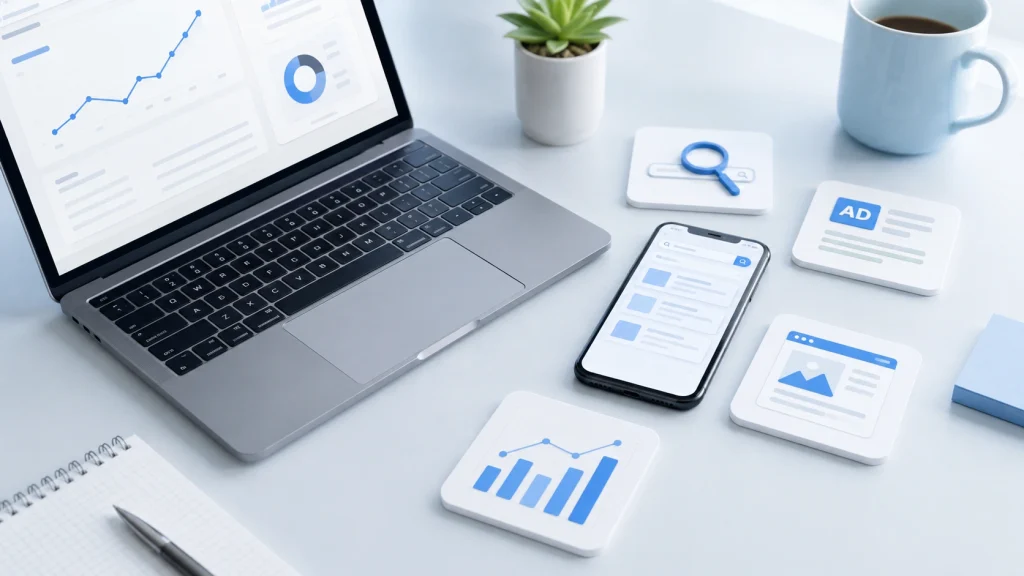
Google AI Mode ads may change how businesses plan and measure paid search campaigns. Instead of focusing only on short keywords and basic ad placements, advertisers need to understand how users search, compare, and decide inside AI-powered results. These changes can affect campaign strategy, ad messaging, landing page quality, and performance tracking.
- Search Intent Becomes More Detailed
- Users may explain what they need in more detail, so your campaign should be built around customer pain points, not only service names. This helps your ads match what people are really looking for and makes your message more relevant.
- Ad Positioning Becomes More Important
- Ads may appear closer to AI recommendations, which can give brands earlier visibility when the message fits the user’s search journey. This means your ad copy should be clear, helpful, and connected to real customer intent.
- Landing Page Quality Matters More
- A slow, confusing, or thin landing page can hurt results because users want quick answers and clear next steps. Your landing page should explain the offer, benefits, service details, and call to action right away.
- Reporting Becomes More Complex
- Conversational searches may make it harder to know which prompt influenced a conversion. Businesses should improve analytics, call tracking, lead quality reviews, and conversion tracking to better understand campaign performance.
These changes show why businesses need a smarter PPC strategy as Google AI Mode ads continue to develop. Brands that understand user intent, improve ad quality, strengthen landing pages, and track results properly will have a better chance of staying visible and competitive in AI-powered search.
Why Businesses Need Smarter Paid Advertising Strategies
Paid ads work better when they are part of a wider marketing system. A business should make Google Ads, social media, SEO and website design work together instead of handling them separately. They should support each other.
Google Ads can bring high-intent users. SEO content can build trust. Social media can support awareness and retargeting. A good website can convert visitors into leads. Together, these channels create stronger digital marketing solutions for businesses that want measurable growth.
For local brands, digital marketing solutions Metro Manila can help because the market is highly competitive and customers often compare service providers before making a decision. A smarter strategy helps your brand stand out with better targeting and a clearer sales journey.
How Local Brands Can Prepare for AI Mode Ads
Preparation can start now.
- Review your current Google Ads campaigns. Check which campaigns bring quality leads and which ones waste budget.
- Improve your service pages. Make sure every page explains the problem, solution, benefits, and next step.
- Refresh your ad copy. Use customer-focused messaging instead of generic claims.
- Strengthen conversion tracking. Track calls, forms, purchases, bookings, and other valuable actions.
- Test different offers. Compare consultations, audits, packages, and direct service inquiries.
- Align paid ads with content. Create helpful pages that answer common questions before users contact you.
Prepare Your Business for the Future of AI-Powered Ads

Google AI Mode ads show that paid search is changing quickly, and businesses need to pay attention before the competition gets ahead. Ads may become more conversational, more contextual, and more connected to AI-generated recommendations, which means old campaign structures may no longer deliver the same results.
Brands that only depend on basic keywords and simple ad copy may struggle to reach users who are now asking deeper and more specific questions online. To stay competitive, businesses should review their current campaigns, improve landing pages, strengthen tracking, and create ad messages that match real customer intent. The earlier you adapt, the better chance you have to gain stronger visibility, better leads, and more efficient ad performance.
If your business wants to prepare for this new phase of advertising, Tech Support Plus IT Services can help. Launched in 2025 with a mission to help brands engage, convert, and scale through data-driven, intuitive experiences, the company supports businesses with smarter digital advertising strategies built for measurable growth in the Philippines.