

Introduction:
For digital marketing managers, staying ahead isn’t just about adopting the newest tools, it’s about understanding why things are changing and how to adapt strategically. The digital marketing world is moving faster than ever. What worked six months ago may already be outdated, thanks to shifts in technology, consumer behavior, and search patterns.
In 2026, a few major trends are shaping the industry. These aren’t just buzzwords; they’re driving real impact on campaigns, customer experiences, and results. Here’s what you need to know.
AI Isn’t Optional — It’s Essential
Artificial intelligence has moved firmly into practical use across marketing teams. Today’s AI tools help automate tasks, generate content, and uncover insights from massive data freeing humans to focus on strategy and creativity.
Why it matters:
- AI enhances decision-making, not replaces creativity.
- Predictive analytics helps forecast customer behavior so you can act before trends shift.
Smart Data Analysis and First-Party Data
With privacy concerns and the phasing out of third-party cookies, the focus has shifted to first-party data the information customers voluntarily share.
What managers should do:
- Grow email lists and encourage accounts on your own channels.
- Offer value like exclusive content or perks in exchange for customer data.
Why it matters:
First-party data builds long-term trust and powers better personalization without privacy risks.
Hyper-Personalized Experiences Win
Consumers expect tailored content that feels made for them, not cookie-cutter messaging. AI now enables dynamic personalization across emails, websites, ads, and even chatbots.
Takeaway:
- Personalized web content increases engagement.
- Smart product recommendations boost conversions.
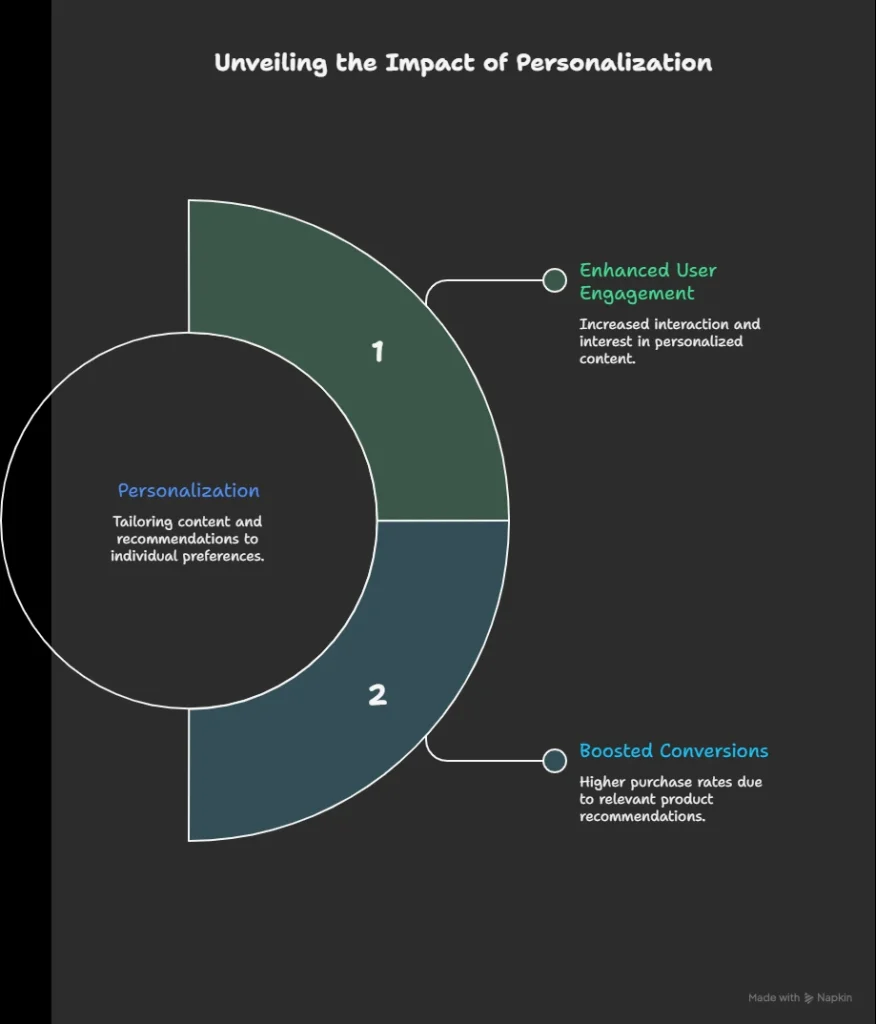
Failing to deliver this level of personalization means losing engagement to competitors who do.
Search Is Evolving
Search engines aren’t just about keywords anymore:
Voice & Natural Language
People talk differently than they type. Voice search queries tend to be longer and more conversational marketers must optimize for this shift.
Visual Search
Users are increasingly searching with images instead of text, especially in e-commerce. Tag product images properly to get discovered visually.
Hyper-Local SEO
Local intent is stronger than ever. Broad SEO isn’t enough; you need granular local strategies to capture nearby, high-intent traffic.
Short-Form Video Still Dominates
Short videos especially on TikTok, Instagram Reels, and YouTube Shorts continue to lead engagement for brands. HubSpot data shows short-form video delivers some of the highest ROI among content formats.
Key insight:
- Audiences want quick, authentic, relatable content not polished commercials.
- Videos under 2 minutes perform best.
This trend calls for a shift from high-production ads to real, native storytelling that fits how audiences browse today.
Quick Takeaways for Managers
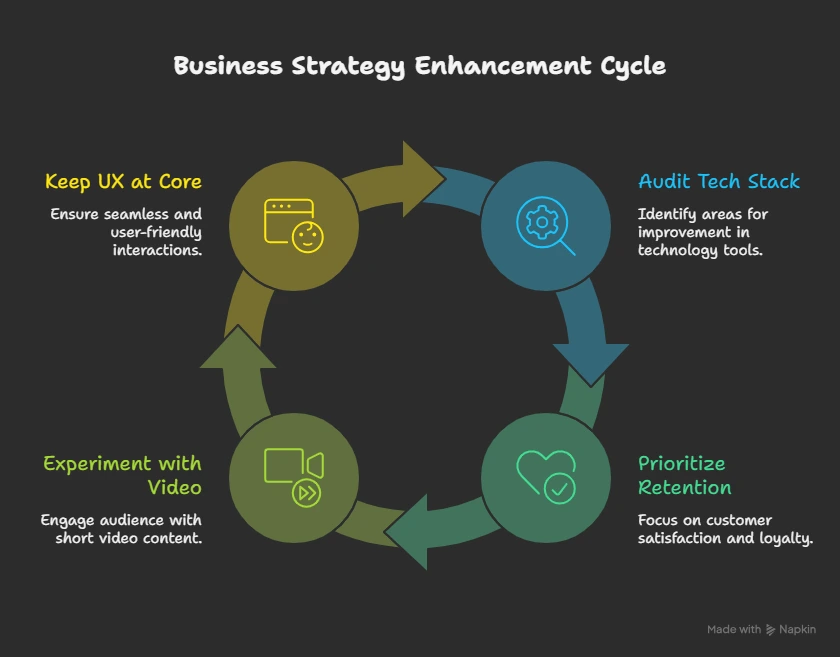
To stay competitive in 2026:
✔ Audit your tech stack
Make sure you have tools that leverage AI and automation efficiently.
✔ Prioritize retention
Use first-party data to nurture customers instead of only chasing new ones.
✔ Experiment with short video
Test formats across platforms to find what resonates.
✔ Keep UX at the core
Every digital touchpoint should be fast, intuitive, and mobile-optimized.
Want custom insights or help implementing these trends in your strategy? Contact Tech Support Plus IT Services for a digital marketing audit or consultation to make 2026 your best year yet.