

Introduction
It’s common to see companies shift some IT systems to the cloud while keeping others on-premises, and you likely have questions about why. In 2025, businesses are rethinking how they handle digital infrastructure, and one approach is rapidly gaining momentum. Hybrid cloud solutions are becoming a go-to strategy for modern organizations that want both agility and control.
Cloud trends in 2025 show that companies are no longer satisfied with one-size-fits-all technology. They want smart, flexible setups that help them grow without massive upfront costs. That is where hybrid cloud solutions shines and why it matters to every forward-thinking business today.
What Hybrid Cloud Is
So what exactly is a hybrid cloud? Simply put, hybrid cloud solutions is a mix of private and public cloud environments working together as one seamless system. Picture this: your company keeps its most sensitive information and critical apps in a secure private environment you control. At the same time, you tap into broader online infrastructure for things like large-scale processing, storing less sensitive data, or running big seasonal projects.
This smart mix lets you balance speed, security, and cost without compromising one for the other. It still fits within the bigger world of cloud computing solutions that many businesses are adopting to stay competitive.
Key Drivers Behind Adoption in 2025
Let’s break down the main reasons why businesses are choosing hybrid cloud solutions in 2025. These factors are not just buzzwords. They are real advantages that make a difference in daily operations and long-term planning.
Scalability & Flexibility
Today’s markets change fast. One week, your website traffic is normal. Next, you have a viral campaign that doubles usage. You do not want to be scrambling for extra servers or paying for capacity you do not use all the time.
Hybrid cloud solutions lets you scale resources up or down on demand without heavy upfront costs. You can keep baseline operations in your own environment while using external capacity when you need it most. That means your IT environment grows with your business, not ahead of it. This flexibility is one of the biggest reasons companies are turning to cloud-based solutions this year.
Cost Optimization
Let’s be honest. Cutting unnecessary costs while improving performance sounds like a dream. Hybrid cloud solutions make that a reality.
Instead of buying and maintaining expensive hardware, businesses can choose a pay-as-you-go model for extra capacity. You only pay for what you use in the public portion of your environment, while your private side stays stable and secure. This intelligent allocation of resources can lead to significant savings without sacrificing quality or control.
Enhanced Security & Compliance
Some industries face strict rules about where their data can live. Finance, healthcare, and government services cannot simply move everything to a public cloud. Hybrid cloud based solutions offer a consistent way to keep sensitive data secure in private systems while still using external resources for less critical tasks.
This gives businesses better control over compliance and regulatory requirements and helps protect sensitive customer data without slowing down operations.
Business Continuity & Disaster Recovery
Imagine a major outage somewhere in the world. If your entire system is in one place, that could mean prolonged downtime and lost revenue.
With hybrid strategies, data and workloads can be replicated in different environments. If one system goes down, another can pick up the slack quickly. That means less downtime, faster recovery, and smoother business continuity when things go wrong.
Real-World Benefits for Businesses
By now you might already be thinking this sounds useful. Here are some real advantages companies are experiencing:
- Faster innovation and deployment
- Better performance and reduced delays
- Freedom from vendor lock-in
- Agility in responding to market changes
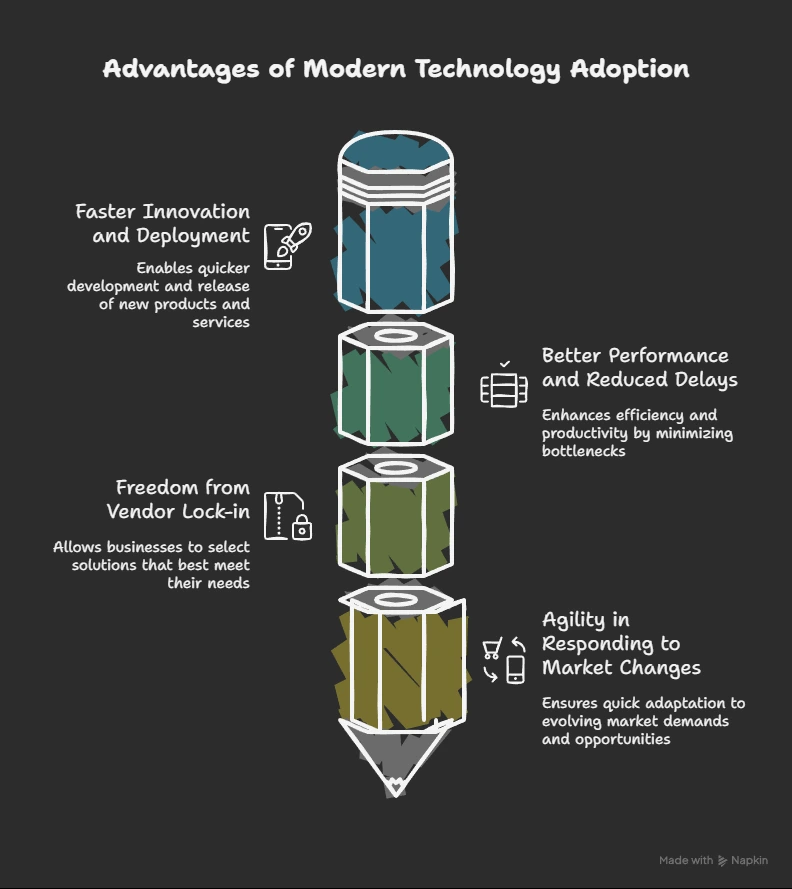
All of these add up to a more responsive company that can adapt, grow, and compete at a higher level with hybrid cloud solutions working behind the scenes.
Case Trends & Market Momentum in 2025
In 2025, the shift toward diversified IT strategies is clear. Many businesses are moving beyond traditional setups and adopting hybrid and other multi-platform approaches to get the best of both worlds. Companies are prioritizing flexibility, smarter spending, and secure, high-performance environments. Hybrid cloud adoption is no longer a niche choice. It is becoming mainstream for businesses that want to stay agile and innovative without compromising security or cost control.
How to Evaluate If Your Business Should Adopt Hybrid
Okay, you’re interested. How do you know if hybrid cloud solutions is right for your business? Here’s a simple checklist to help:
Data sensitivity and compliance
Do you have strict rules about where data must be stored?
Budget and IT maturity
Can you manage and maintain some infrastructure internally?
Need for agility and scalability
Do you face unpredictable workload spikes and need extra computing power on demand?
Long-term digital transformation goals
Are you planning to modernize and innovate with new applications or services?
If these sound familiar, then the case for hybrid cloud becomes even stronger as you plan your digital future with hybrid cloud solutions that match real business needs.
Conclusion
Choosing the right technology strategy is more than just a trend. In 2025, businesses that want to stay competitive are turning to hybrid cloud for real practical advantages. From flexible scaling and intelligent cost management to strong security and robust continuity plans, hybrid setups provide a compelling path forward.
Hybrid cloud solutions unlocks a balance that many businesses didn’t think possible before. It lets you keep control where it matters and expand where it makes sense. If your goal is to accelerate growth, reduce risk, and build a future-ready infrastructure, this is one strategy worth serious consideration.
Want expert cloud support? Partner with Tech Support Plus IT Services now.