

Introduction: Are You Curious What Cloud Based Solutions Really Are?
Curious how cloud-based solutions will impact your business in 2026? At its heart, cloud based solutions allow companies to access computing services like storage, applications, and servers over the internet without relying on physical hardware at their own location.
Instead of storing everything on local machines or on-site servers, everything lives in remote data centers managed by specialized providers. This makes them very different from traditional IT setups where businesses must buy and maintain their own technology infrastructure.
Imagine not needing to expand your server room every time you grow or upgrading systems every few years. That is the power of the cloud, and it is rapidly changing the way businesses operate.
How Cloud Based Solutions Work
So how do cloud based solutions actually work? Think of them as a network of powerful remote computers that store and run your data and applications. There are three main pieces that make this possible:
- Data Storage – Your files, databases, and information live in secure remote data centers and are accessible anytime.
- Remote Servers – Instead of owning physical servers, you tap into servers managed by cloud providers who handle the maintenance and performance.
- Internet Access – All of this happens over the internet, which means you can connect from almost anywhere.
This structure is flexible and scalable, meaning your business can easily expand or reduce resources depending on your needs without upfront hardware costs. That flexibility makes cloud solutions attractive for companies of all sizes, from startups to large enterprises.
Key Benefits Driving Business Adoption in 2026
Businesses are switching to cloud based solutions in droves, and there are several compelling reasons why:
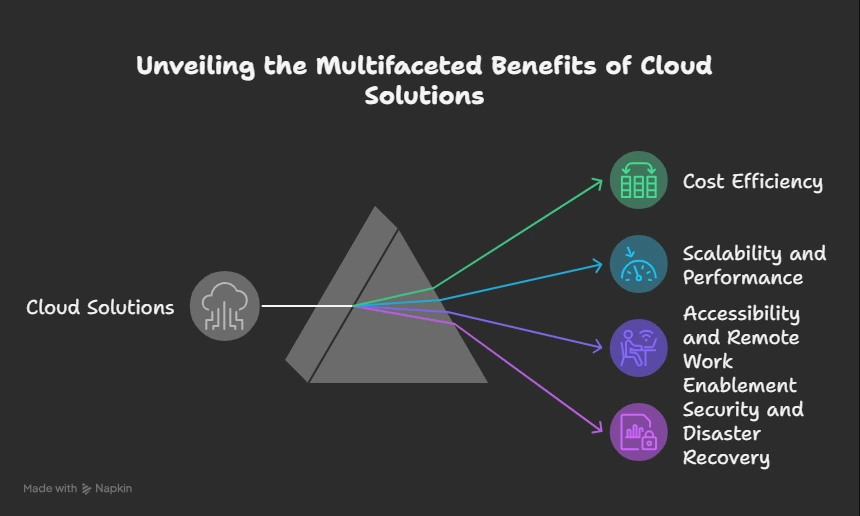
Cost Efficiency
One of the biggest reasons companies move to the cloud is cost savings. Without the need to buy expensive servers or handle ongoing maintenance, businesses only pay for what they use. This pay-as-you-go pricing model helps reduce upfront IT expenses and allows you to invest more in growth and innovation.
Scalability and Performance
Growth shouldn’t be limited by your technology. With cloud based systems, you can scale resources up or down almost instantly based on demand. Whether you’re launching a new marketing campaign or handling seasonal traffic spikes, your infrastructure grows with you, helping you maintain performance and reliability.
Accessibility and Remote Work Enablement
Teams can access systems and files from anywhere in the world as long as they have an internet connection. This freedom boosts productivity and supports remote work, cross-border collaboration, and flexible work arrangements. It also means employees aren’t tied down to a single office or workstation.
Security and Disaster Recovery
Cloud providers invest heavily in security and disaster recovery systems that many businesses couldn’t afford on their own. Automated backups, redundancy in multiple locations, and advanced security tools help keep your data safe from threats and downtime.
Supporting Concept: Cloud Solutions and Cloud Computing Solutions
When we talk about cloud based solutions, we’re part of a broader ecosystem that includes terms like cloud solutions and cloud computing solutions. These encompass everything from hosted applications (Software as a Service or SaaS), platforms for developers (Platform as a Service or PaaS), and core infrastructure services (Infrastructure as a Service or IaaS). Regardless of the model, the main idea remains the same: businesses tap into internet-based computing resources that reduce burden on in-house systems and enable rapid innovation.
Why Businesses Are Switching in 2026
It’s 2026, and companies are embracing cloud based solutions more than ever before. Here’s why:
Competitive Advantage
The cloud allows businesses to innovate faster and stay ahead of competitors. Whether it’s deploying new apps or analyzing customer data for smarter decisions, cloud technology enables faster time-to-market and better adaptability.
Hybrid and Multi-Cloud Trends
Many companies are now using a mix of on-premise systems and multiple cloud environments for optimal flexibility and performance. This hybrid or multi-cloud approach lets businesses choose the best tool for each task and avoid reliance on a single provider.
Cloud Migration as Part of Digital Strategy
Moving to the cloud isn’t just a tech upgrade, it’s part of a larger digital strategy. Through cloud migration, businesses not only improve infrastructure but also position themselves to innovate and respond quickly to emerging market demands.
Real-World Examples of Business Use Cases
So what does this look like in practice? Many companies are already reaping the benefits of cloud based solutions:
- Customer Data Platforms that collect insights and help personalize marketing.
- Collaboration Tools like shared document systems that keep remote teams connected and productive.
- Analytics Engines that crunch data quickly to inform smarter business decisions.
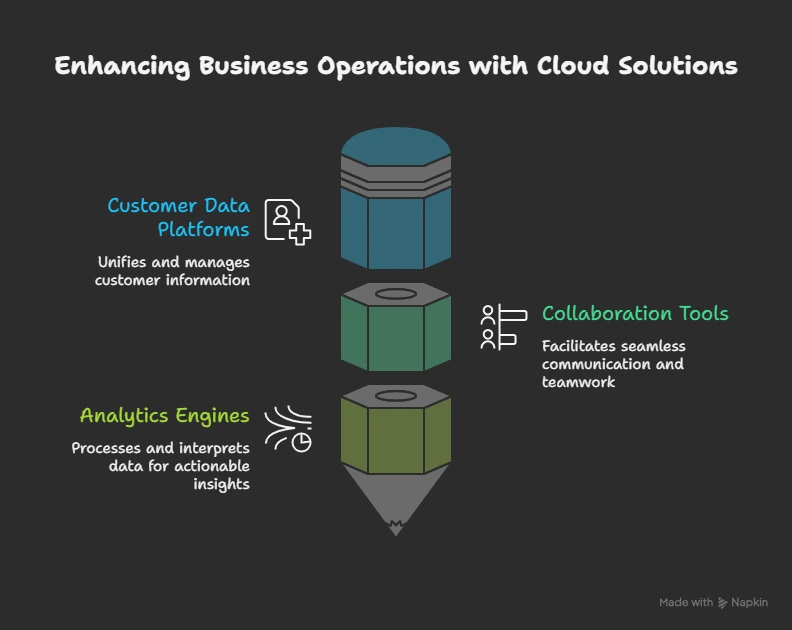
Cloud based systems make these tools more accessible and affordable, even for smaller businesses, helping them compete with bigger players.
Conclusion
In 2026, cloud based solutions are no longer optional luxury tools; they are essential infrastructure for growth, agility, and long-term success. By reducing costs, enabling scalability, supporting remote work, and strengthening security, the cloud empowers businesses to operate more efficiently and stay competitive in a fast-changing digital world.
If you haven’t evaluated your cloud strategy yet, now is the perfect time. Assess your needs, explore the right cloud models for your goals, and take the first step toward a more flexible, innovative, and future-ready business.